Fleet
Introduction
Royal Navy ships have been central to the development of naval power for centuries. From wooden warships of the age of sail to modern aircraft carriers and submarines, these vessels reflect the changing nature of warfare, technology, and maritime strategy.
Understanding the different types of ships and how they evolved provides essential insight into the history of the Royal Navy.
The Role of Ships in Naval History
Ships are the foundation of any navy. Their design, capabilities, and roles determine how naval operations are carried out.
Throughout history, Royal Navy ships have been used to:
- Fight naval battles
- Protect trade and supply routes
- Support military campaigns
- Project power across the world’s oceans
Many of these roles are explored further in our section on naval battles and campaigns.
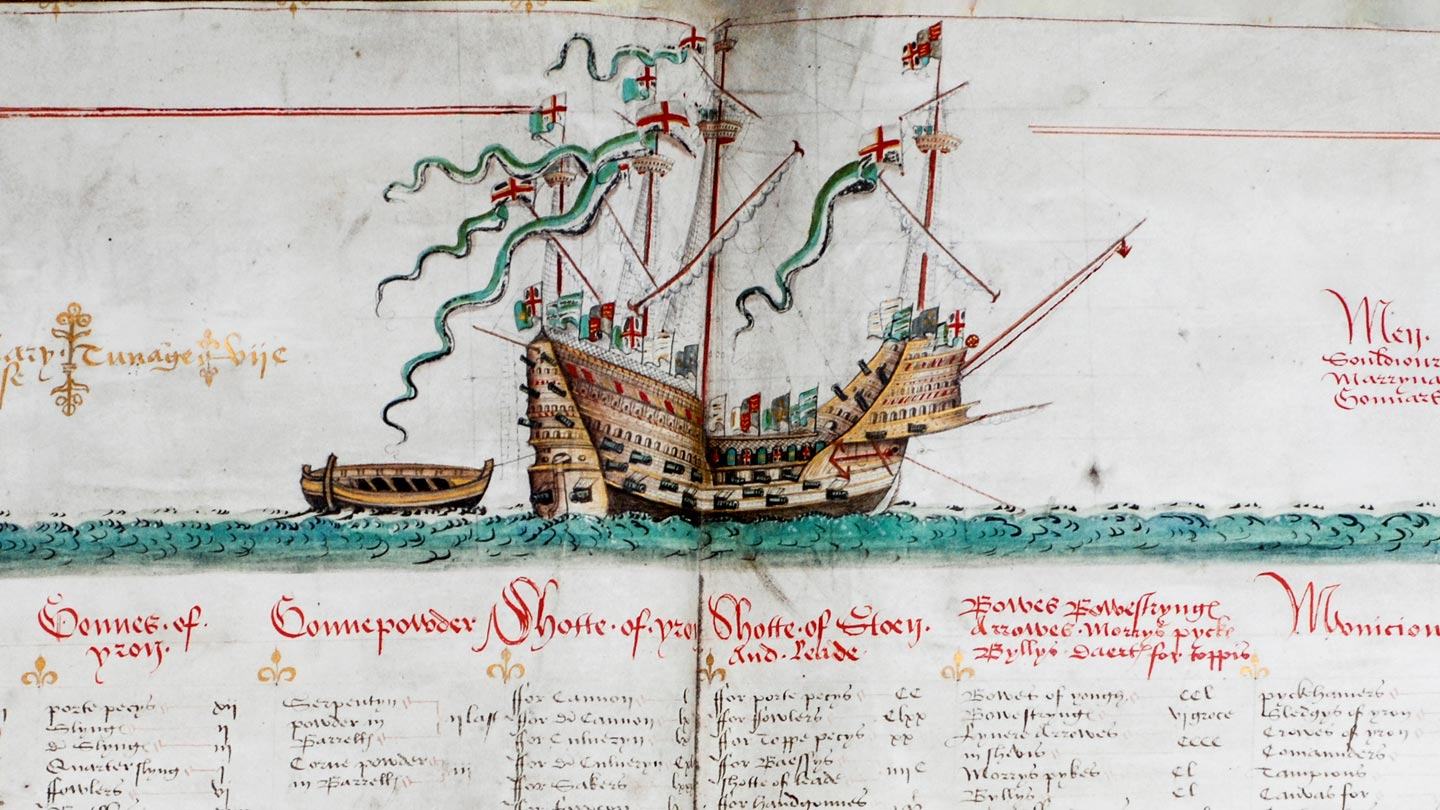
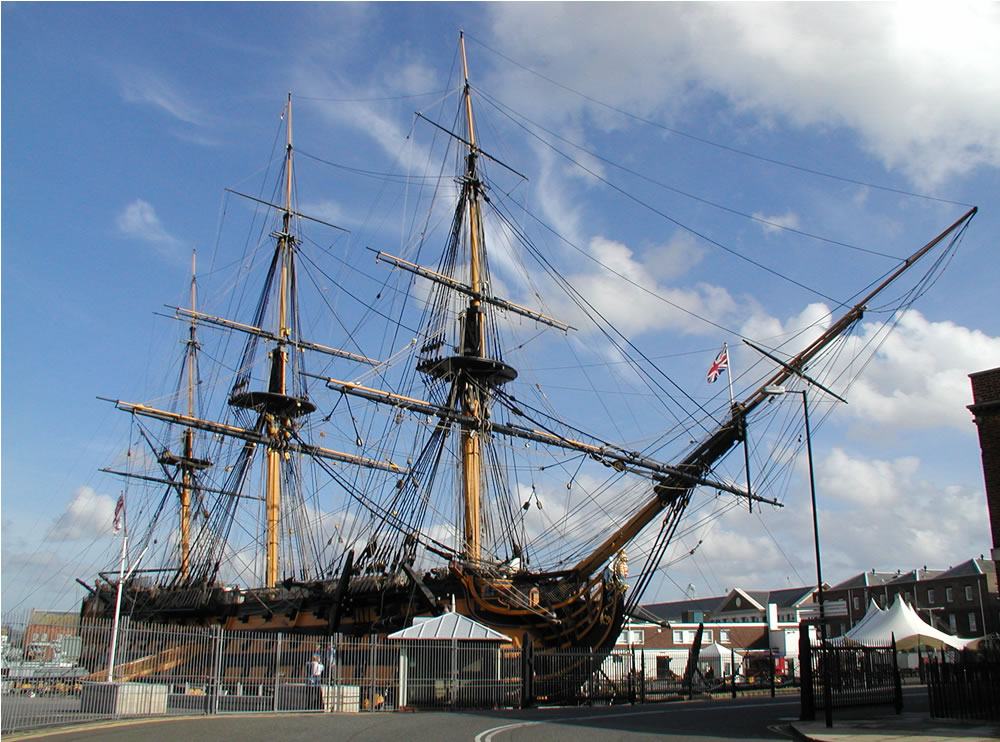
Ship Classes and Design
Royal Navy ships are grouped into classes based on shared design and purpose.
A ship class represents a series of vessels built to similar specifications, allowing for consistency in performance and role within a fleet.
Changes in ship design often reflect advances in naval technology and innovation, as well as evolving strategic requirements.
Evolution of Royal Navy Ships
The development of Royal Navy ships reflects broader changes in naval warfare.
- The transition from sail to steam
- The introduction of iron and steel hulls
- The rise of heavily armed battleships
- The shift toward air power and submarines
- The development of modern, technologically advanced warships
These changes can be explored in more detail through the Royal Navy timeline.
Types of Royal Navy Ships
The Royal Navy has operated a wide range of ship types, each designed for specific roles.
Ships of the Line
These powerful warships dominated the age of sail and formed the backbone of naval fleets during large-scale battles.
Frigates
Fast and versatile, frigates were used for scouting, escort duties, and independent missions.
Destroyers
Originally developed to counter smaller threats, destroyers have evolved into highly capable multi-role warships.
Aircraft Carriers
Modern naval strategy is built around aircraft carriers, which act as mobile airbases and project power globally.
Submarines
Submarines provide stealth and strategic capability, playing a key role in modern naval operations.
You can learn more about these categories in our Understanding Naval Ships and Classes guide.
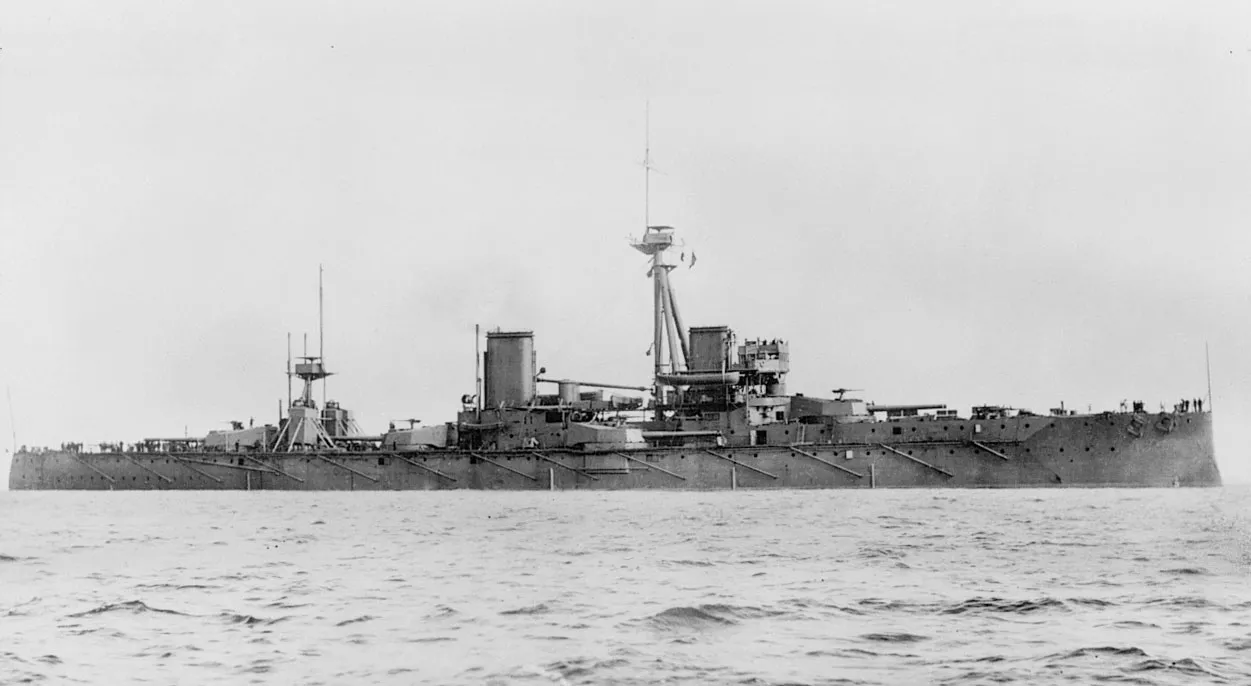
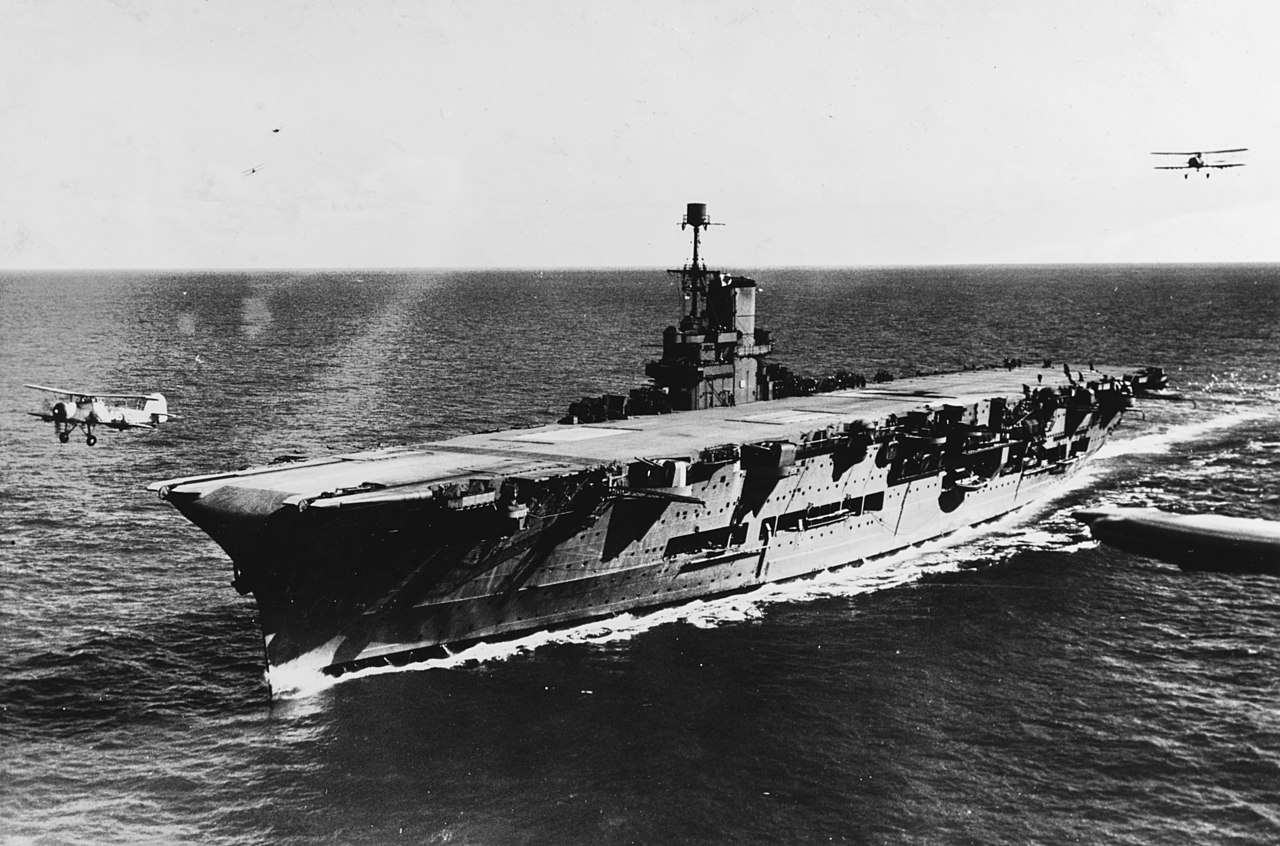
Notable Ships
Throughout history, certain ships have become especially significant due to their role in major events or their design.
These include:
Individual ships and their histories will be explored in dedicated articles.
Explore Royal Navy Ships
You can explore Royal Navy ships in more detail through:
- Ship types and classifications
- Individual ship histories
- Technological developments
- Their role in naval battles and campaigns
For further research, see our naval research guide.
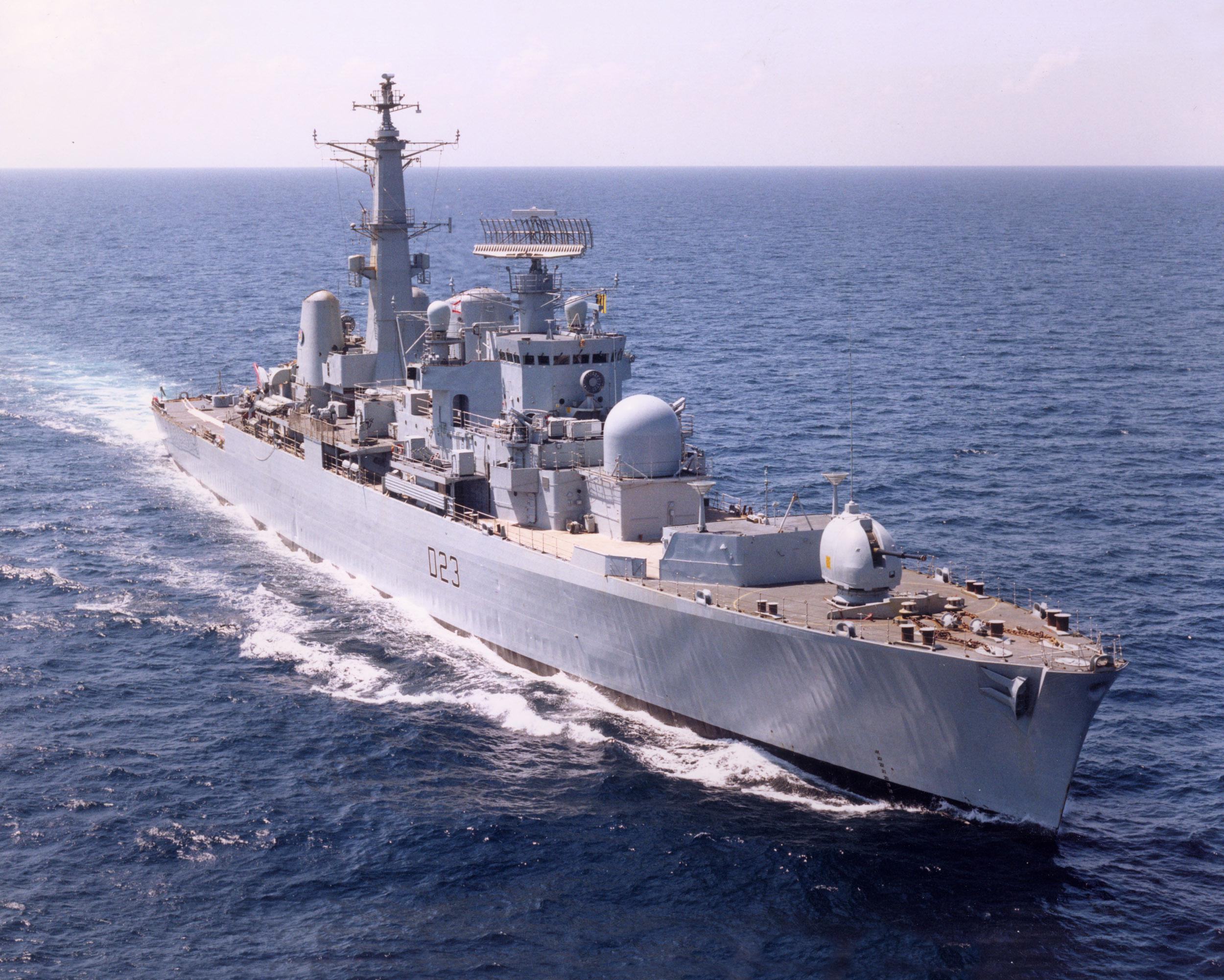
Royal Navy ships are a central part of naval history, reflecting changes in technology, strategy, and global power.
By studying their development and roles, we gain a clearer understanding of how the Royal Navy has operated and evolved over time.