Timeline
Introduction
The history of the Royal Navy spans centuries of development, conflict, and innovation. From its early foundations to its modern role as a global maritime force, the Royal Navy has continually adapted to changing technologies, threats, and strategic demands.
This timeline provides an overview of the principal periods and developments that have shaped its evolution, offering a structured framework for understanding the growth of British naval power.
Early Foundations
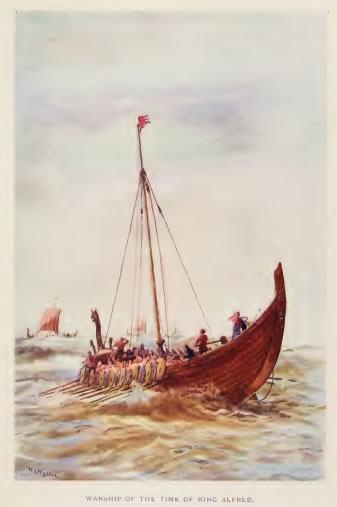
The origins of the Royal Navy can be traced to the medieval period, when fleets were assembled for specific campaigns rather than maintained as permanent forces.
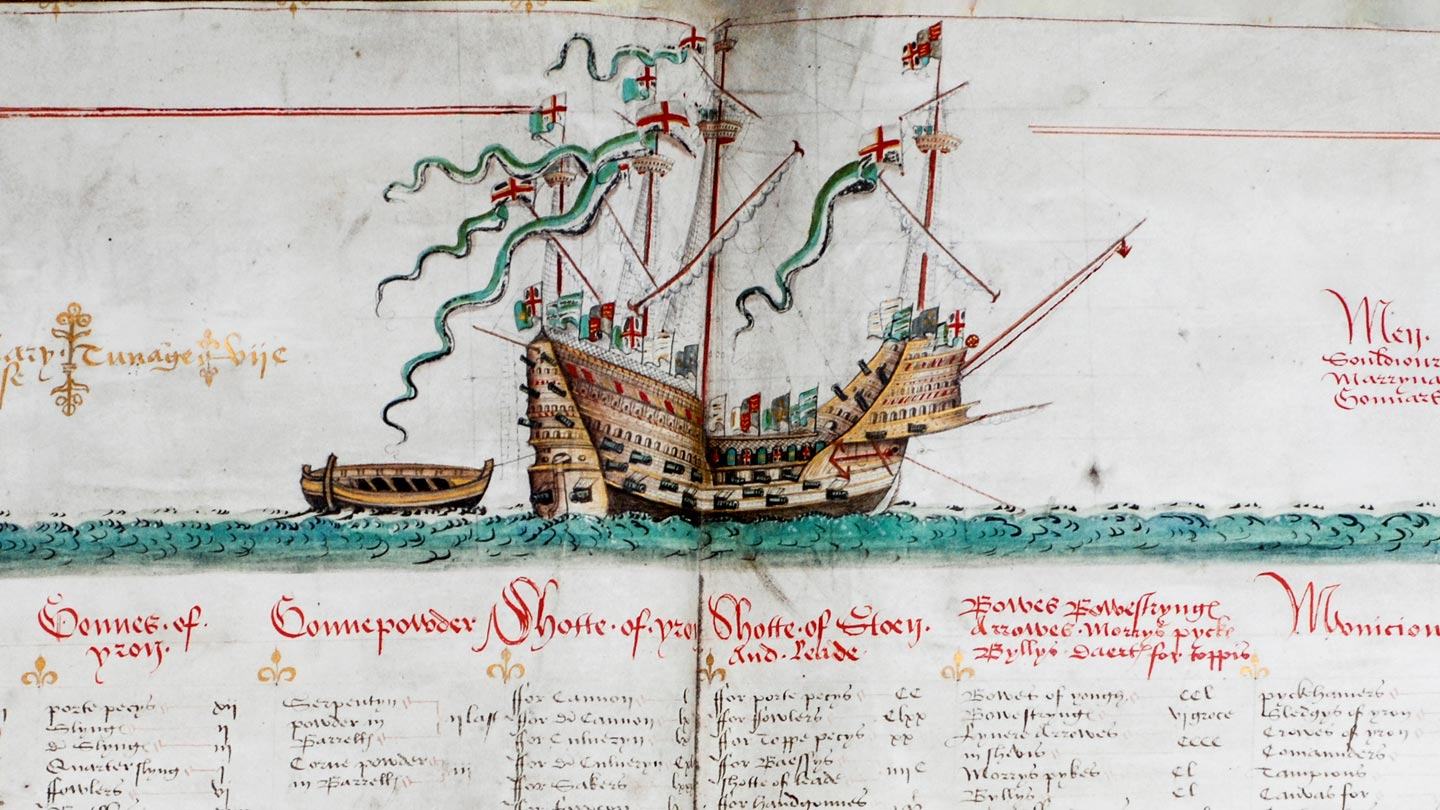
During the Tudor era, particularly under Henry VIII, the foundations of a standing navy were established. Purpose-built warships and the development of dockyard infrastructure marked the beginning of a more organised and permanent naval force.
Expansion and the Age of Sail
From the seventeenth to the early nineteenth centuries, the Royal Navy developed into a dominant global maritime power.
This period saw the refinement of ships of the line and the widespread adoption of line-of-battle tactics. Continuous conflict with European powers contributed to the protection of trade routes and the expansion of British influence overseas.
The Napoleonic Wars
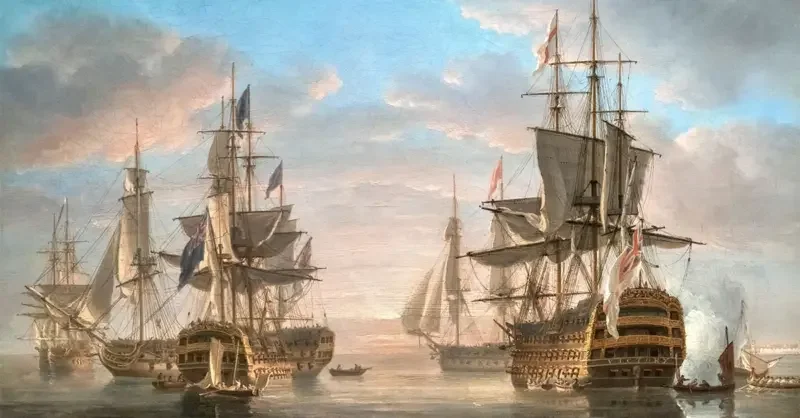
The Napoleonic Wars marked the height of the Royal Navy’s dominance during the age of sail.
Decisive victories ensured long-term control of the seas and restricted the ability of rival powers to challenge British maritime strength. This period also saw the emergence of notable naval commanders whose leadership played a significant role in shaping outcomes at sea.
Industrial Transformation
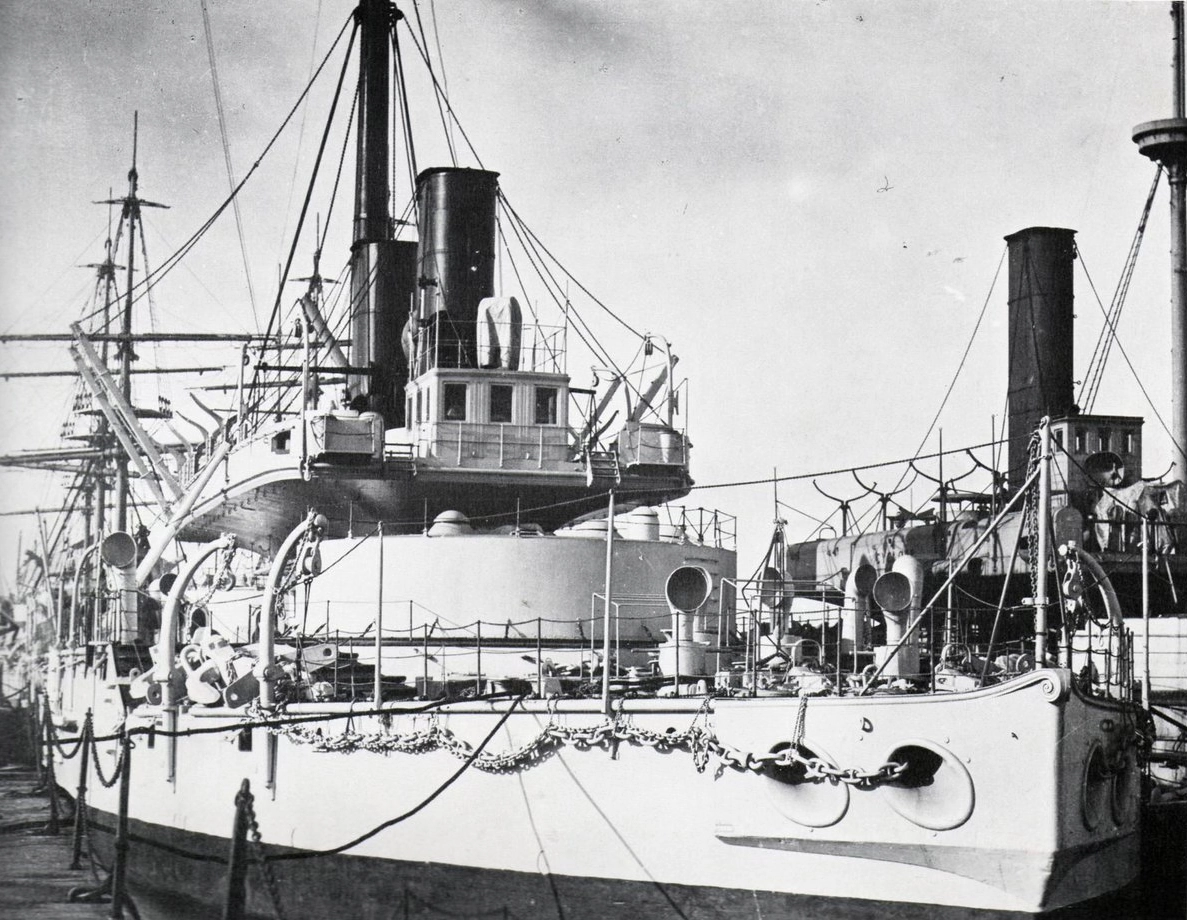
The nineteenth century introduced major technological changes that transformed naval warfare.
Steam propulsion gradually replaced sail, while iron and later steel hulls replaced traditional wooden construction. These developments led to more powerful, durable, and technologically advanced warships.
Industrial Transformation
The nineteenth century introduced major technological changes that transformed naval warfare.
Steam propulsion gradually replaced sail, while iron and later steel hulls replaced traditional wooden construction. These developments led to more powerful, durable, and technologically advanced warships.
The Dreadnought Era
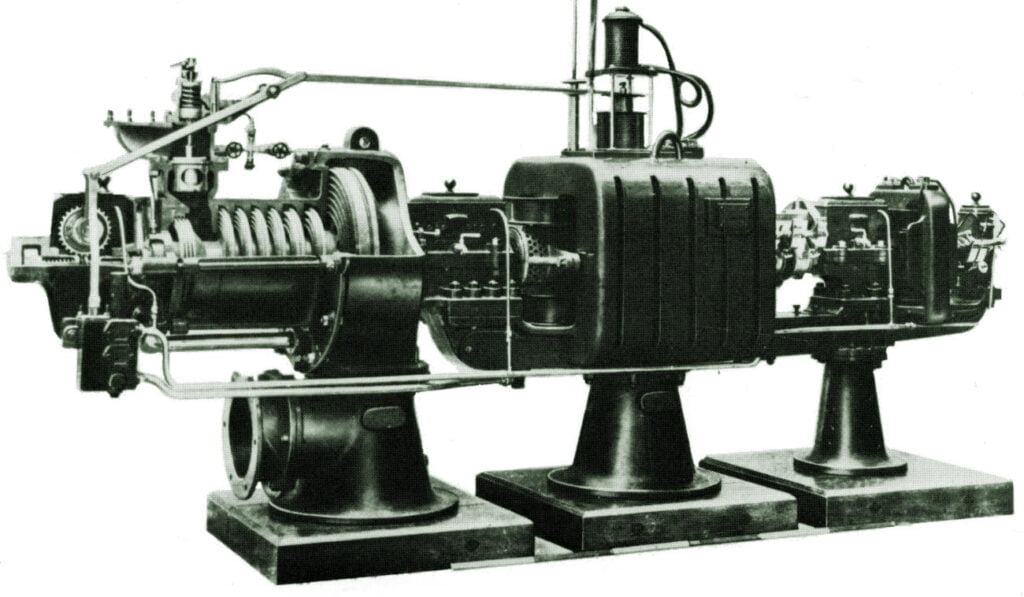
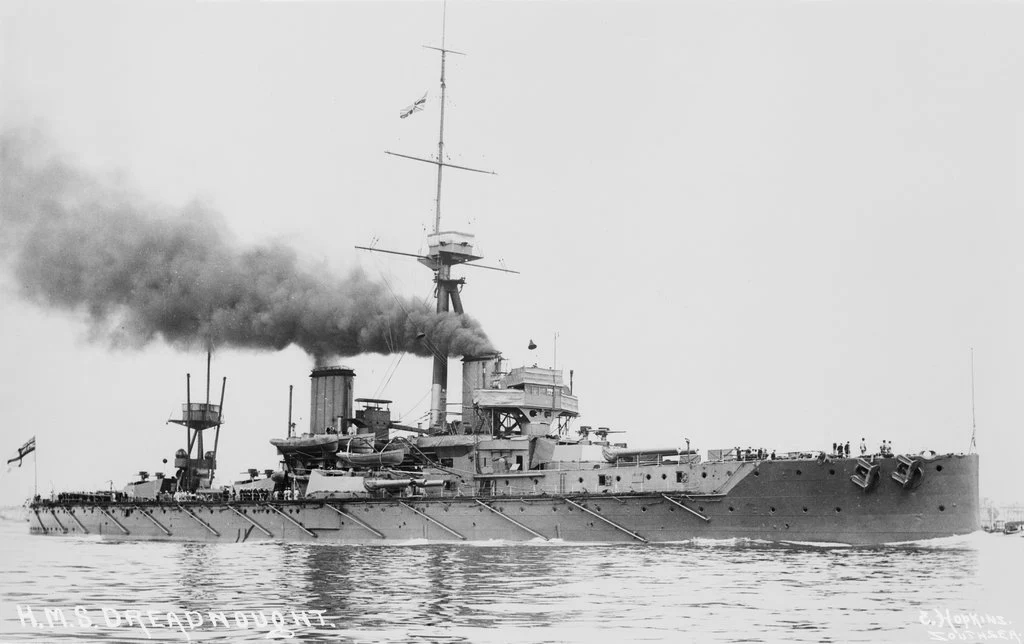
The launch of HMS Dreadnought in 1906 marked a fundamental shift in naval warfare.
Its design rendered earlier battleships obsolete and initiated a global naval arms race. This period signified the transition to modern naval competition between major powers.
The First World War
During the First World War, the Royal Navy played a central role in maintaining blockades and controlling vital sea routes.
Large-scale fleet operations and the introduction of new technologies, including submarines and naval mines, altered the nature of naval warfare.
The Second World War
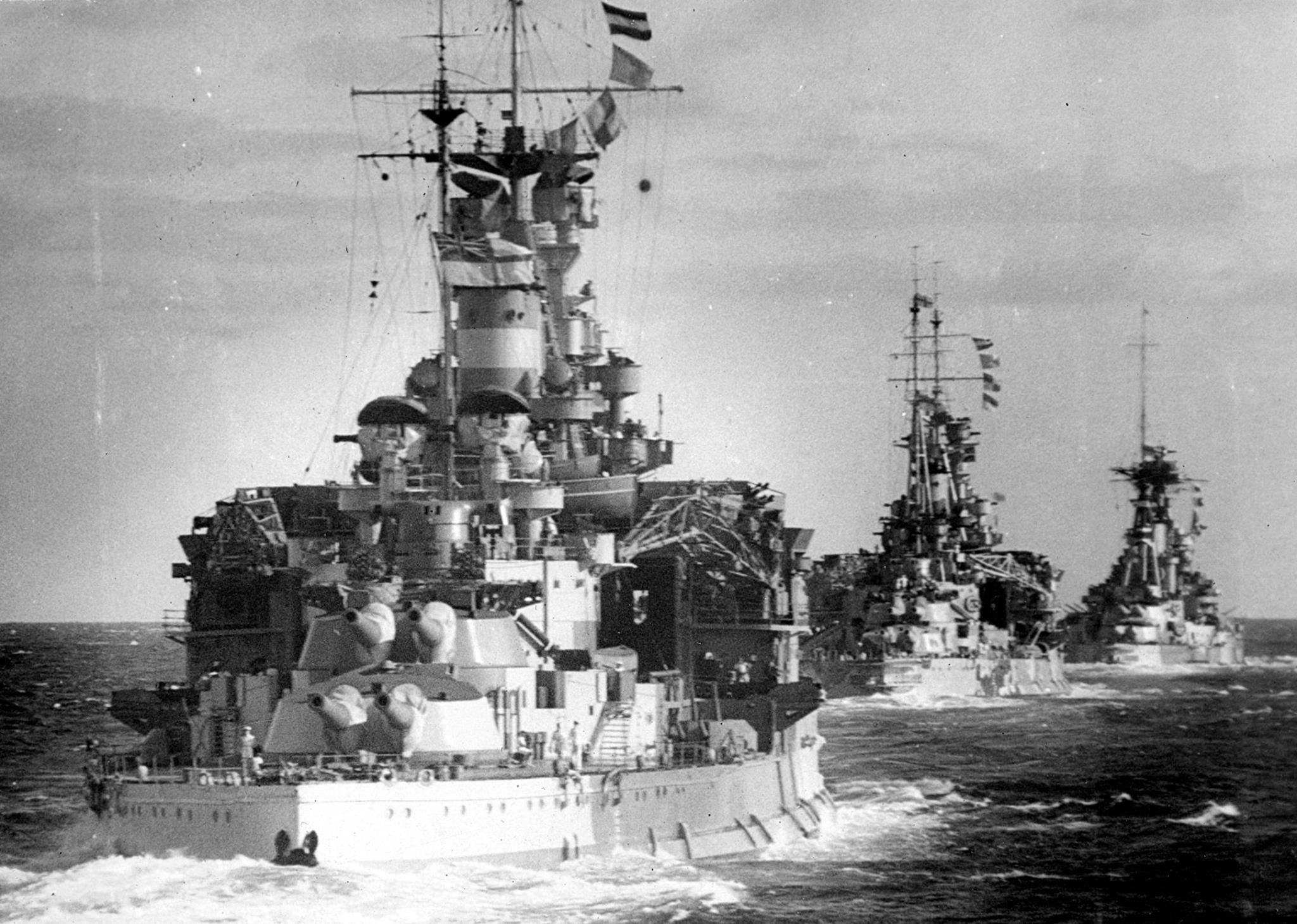
The Second World War saw naval operations conducted on a global scale.
The Royal Navy was essential in protecting supply lines, supporting Allied operations, and countering submarine threats. Aircraft carriers and advanced technologies became increasingly central to naval strategy.
The Cold War Period
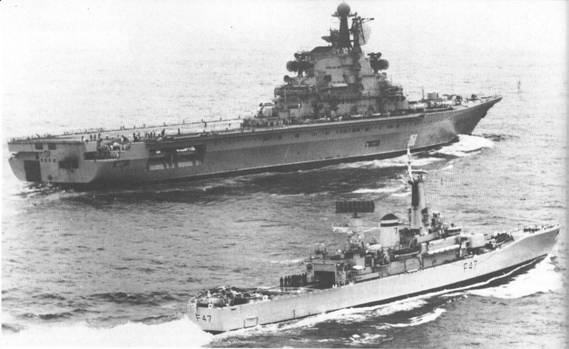
Following the Second World War, the Royal Navy adapted to new geopolitical conditions.
Nuclear weapons and submarine-based deterrence became central to naval strategy, while cooperation with allied forces played an increasingly important role in maintaining global stability.
The Modern Royal Navy
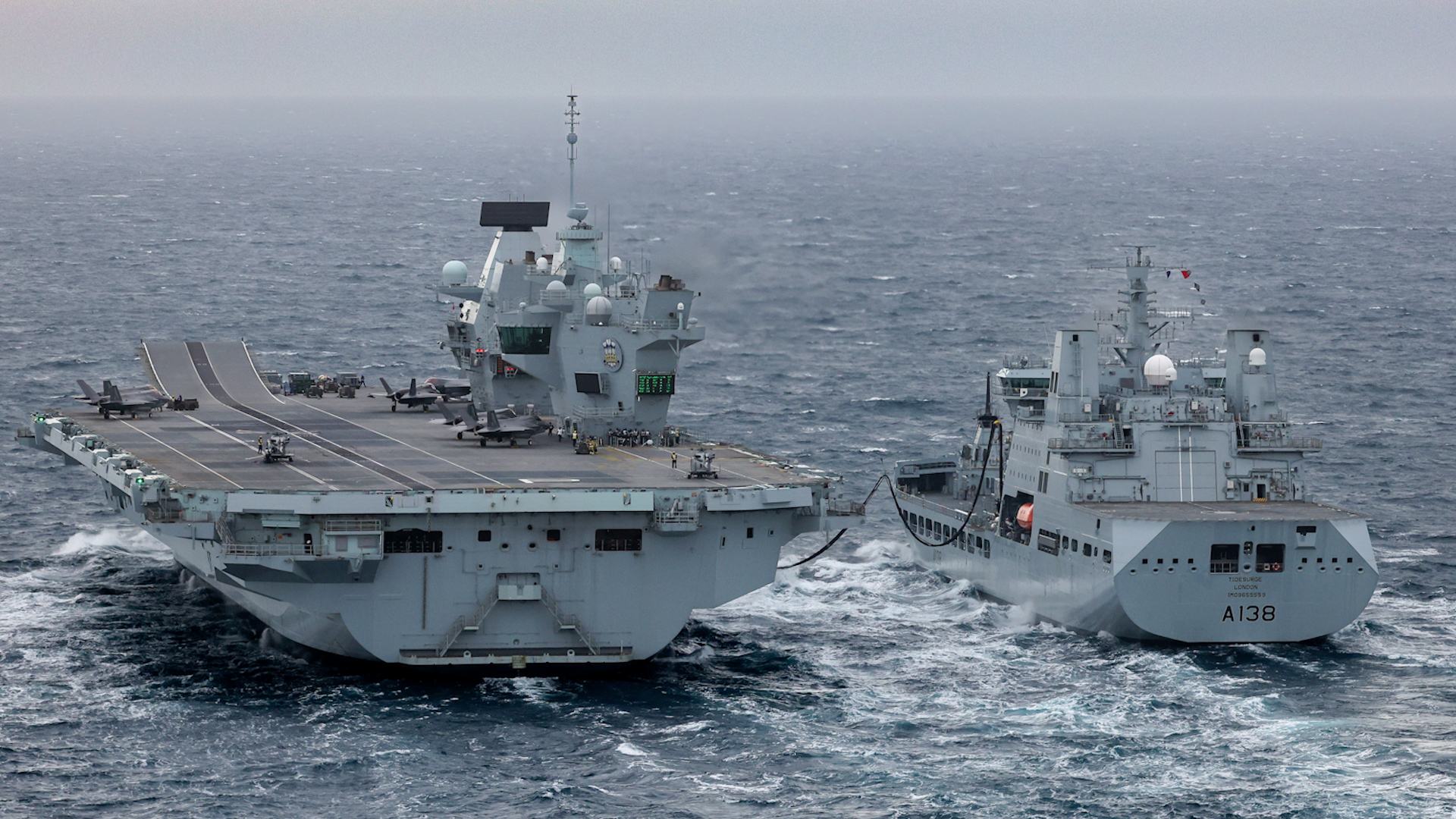
Today, the Royal Navy operates as a highly advanced and flexible maritime force.
Modern capabilities include aircraft carriers, nuclear-powered submarines, and advanced surface vessels equipped with sophisticated weapons and communication systems. The Royal Navy continues to contribute to global security, humanitarian operations, and international partnerships.
Traditions and Naval Life
Daily life aboard ship, including traditions such as grog, developed alongside naval discipline and organisation.
Understanding the Timeline
This timeline provides a framework for understanding how naval power has developed over time.
It is intended to be used alongside other sections of the archive, including ships, battles, technology, and personnel, which offer more detailed insight into specific aspects of naval history.
Conclusion
The timeline of the Royal Navy reflects centuries of change, adaptation, and influence.
By examining its development across different periods, it is possible to gain a clearer understanding of how it became one of the most significant naval forces in history.