Introduction
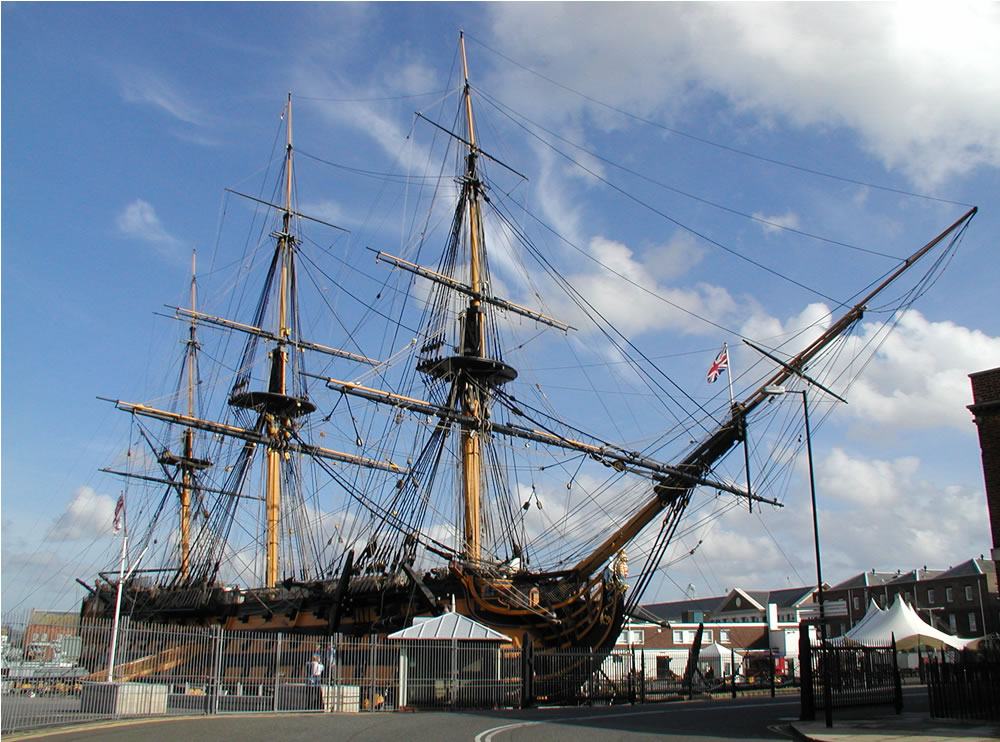
HMS Victory is one of the most famous warships in Royal Navy history and served as Admiral Lord Nelson’s flagship at the Battle of Trafalgar (1805). As a first-rate ship of the line, she played a central role in securing British naval supremacy during the Napoleonic Wars.
HMS Victory remains one of the most important symbols of Royal Navy history.
Design and Construction
HMS Victory was a first-rate ship of the line, designed to serve as one of the most powerful warships of its time.
Launched in 1765, she was built at Chatham Dockyard and carried over 100 guns arranged across multiple decks. Her size, firepower, and durability made her a key asset in the Royal Navy fleet.
Ships of this type were designed for line-of-battle tactics, where fleets engaged in coordinated formations to deliver powerful broadsides.
Role in Naval Warfare
As a ship of the line, HMS Victory was built for large-scale fleet engagements.
Her primary role was to engage enemy warships directly, using heavy cannon fire to damage or destroy opposing vessels.
The effectiveness of ships like HMS Victory was central to many naval battles and campaigns during the 18th and early 19th centuries.
The Battle of Trafalgar
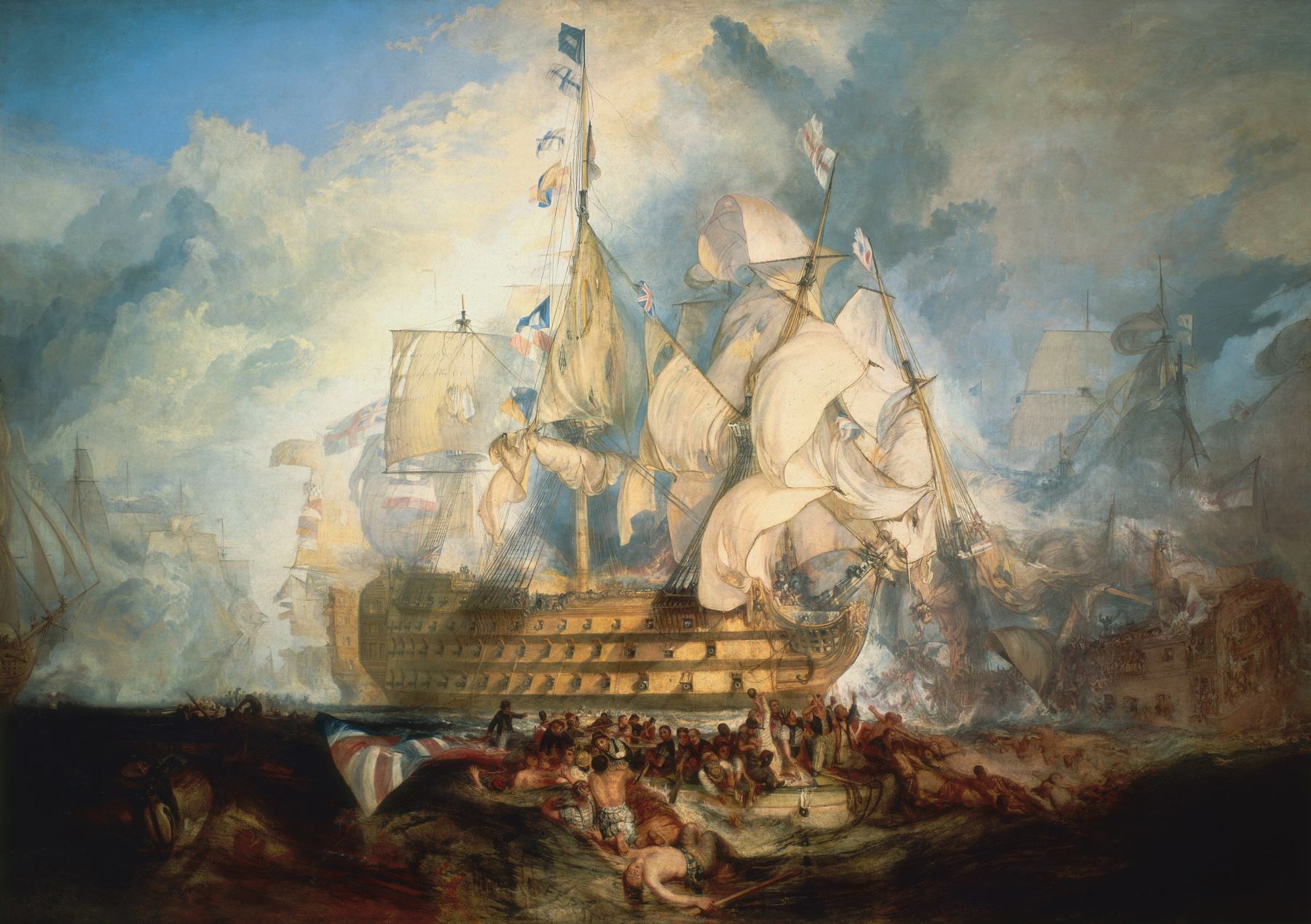
HMS Victory is most closely associated with the Battle of Trafalgar in 1805.
Serving as the flagship of Admiral Nelson, she led the British fleet against the combined French and Spanish fleets.
During the battle, HMS Victory broke through the enemy line, engaging multiple ships at close range. This bold tactic contributed significantly to the British victory.
Although Nelson was fatally wounded during the battle, the success at Trafalgar ensured long-term British control of the seas.
Later Service and Preservation
After her active service, HMS Victory continued to serve in various roles before eventually being preserved as a historic ship.
Today, she is maintained as a museum ship and remains a commissioned vessel of the Royal Navy. She is one of the oldest naval ships still in existence.
Historical Significance
HMS Victory represents the peak of sailing warship design and the effectiveness of the Royal Navy during the age of sail.
Her role at Trafalgar and her association with Admiral Nelson have made her an enduring symbol of British naval history.
Explore Further
To explore related Royal Navy topics:
- Royal Navy ships and classes
- Naval battles and campaigns
- Royal Navy timeline
- Naval technology and innovation
- Personnel
- Naval Life & Traditions
For further research, see our Naval Research Guide.
Conclusion
HMS Victory remains one of the most important ships in the history of the Royal Navy.
Her design, service, and role in major historical events illustrate the power and influence of naval warfare during the age of sail.
Frequently Asked Questions
What is HMS Victory?
HMS Victory is a Royal Navy warship best known as Admiral Nelson’s flagship at the Battle of Trafalgar.
When was HMS Victory launched?
HMS Victory was launched in 1765.
Why is HMS Victory famous?
She is famous for her role in the Battle of Trafalgar and her association with Admiral Nelson.
Is HMS Victory still afloat?
Yes, HMS Victory is preserved as a museum ship and remains in commission.
Related
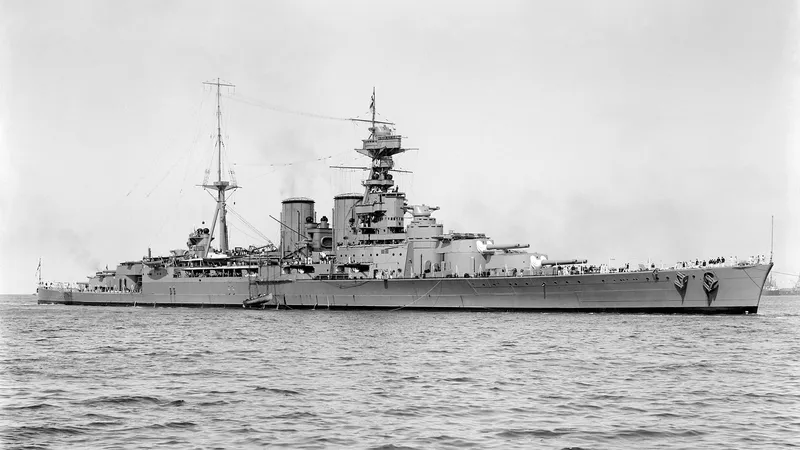
HMS Hood (51)
Introduction HMS Hood was one of the most famous battlecruisers of the Royal Navy and, for many years, the largest warship in the world. Commissioned in 1920, she became...
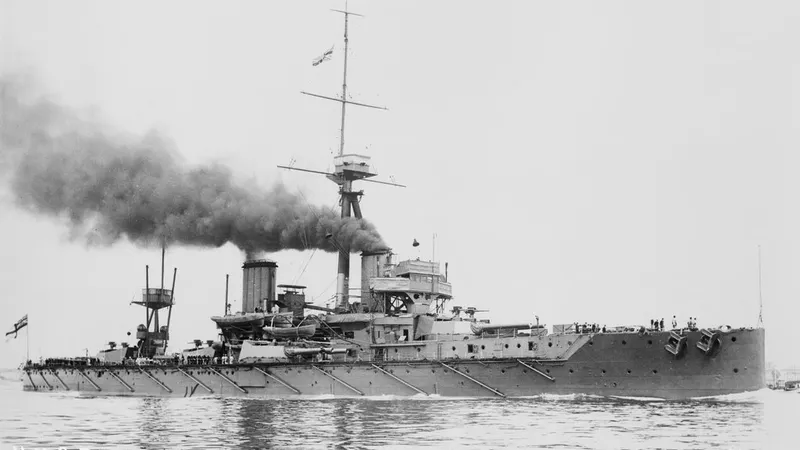
HMS Dreadnought (1906)
Introduction HMS Dreadnought was a revolutionary Royal Navy battleship launched in 1906 that transformed naval warfare. Her advanced design, featuring an all-big-gun arm...
HMS Ark Royal (91)
Introduction HMS Ark Royal (91) was one of the most important aircraft carriers of the Royal Navy during the early years of the Second World War. Commissioned in 193...