Submarine Warfare
Last updated: April 2026
Introduction
Submarine warfare became one of the most significant developments in naval history, particularly during the 20th century. The use of submarines transformed naval strategy by introducing stealth, surprise attacks, and the ability to disrupt vital supply routes.
Early Development
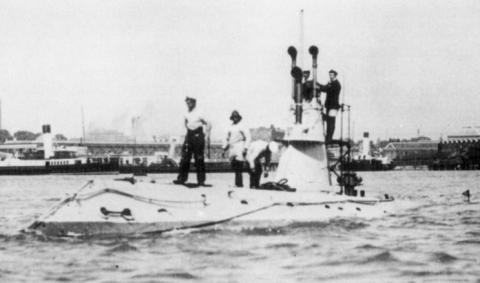
Submarines were experimented with in earlier centuries, but practical military use developed in the late 19th and early 20th centuries. Early submarines were limited in range and capability but demonstrated the potential for underwater warfare.
Submarine Warfare in the First World War
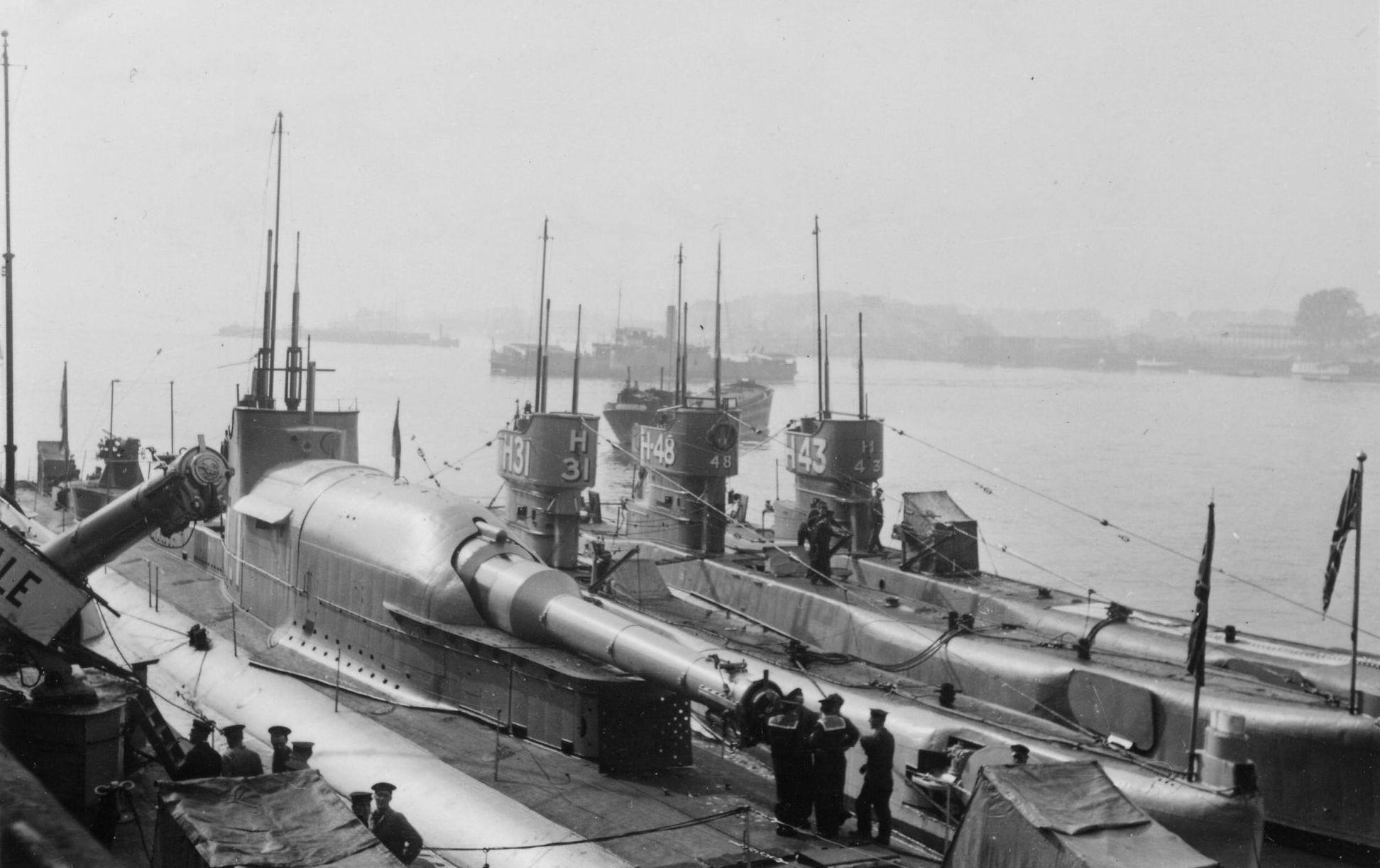
During the First World War, German U-boats were used to attack Allied shipping. These attacks targeted merchant vessels and naval ships, marking the beginning of large-scale submarine warfare.
Submarine Warfare in the Second World War
Submarine warfare reached its peak during the Second World War. German U-boats attempted to cut off Britain’s supply lines across the Atlantic Ocean.
The Royal Navy and its allies responded with convoy systems, escort ships, and new technologies. These developments played a crucial role in the Battle of the Atlantic, where control of supply routes determined the outcome of the campaign.
Tactics and Strategy
Submarine warfare relies on stealth and surprise. Submarines operate below the surface, making detection difficult.
Key tactics included:
- Attacking convoys at night
- Coordinated “wolf pack” attacks
- Targeting supply ships
Technological Developments
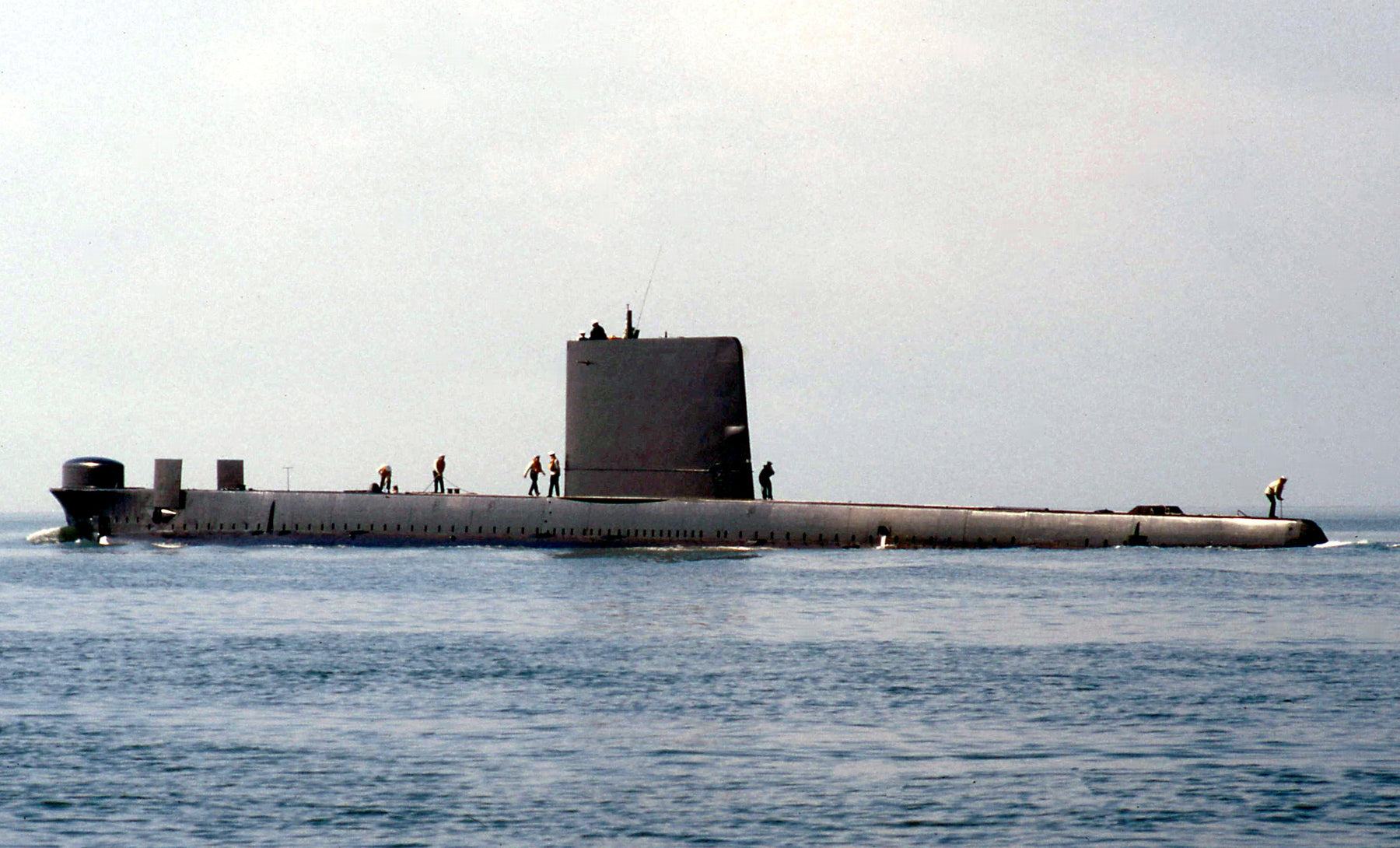
Advances in sonar (ASDIC), radar, and depth charges helped counter submarine threats. These technologies gradually reduced the effectiveness of submarine attacks.
Historical Significance
Submarine warfare changed the nature of naval conflict by shifting focus from direct fleet engagements to the protection of supply lines and trade routes.
Conclusion
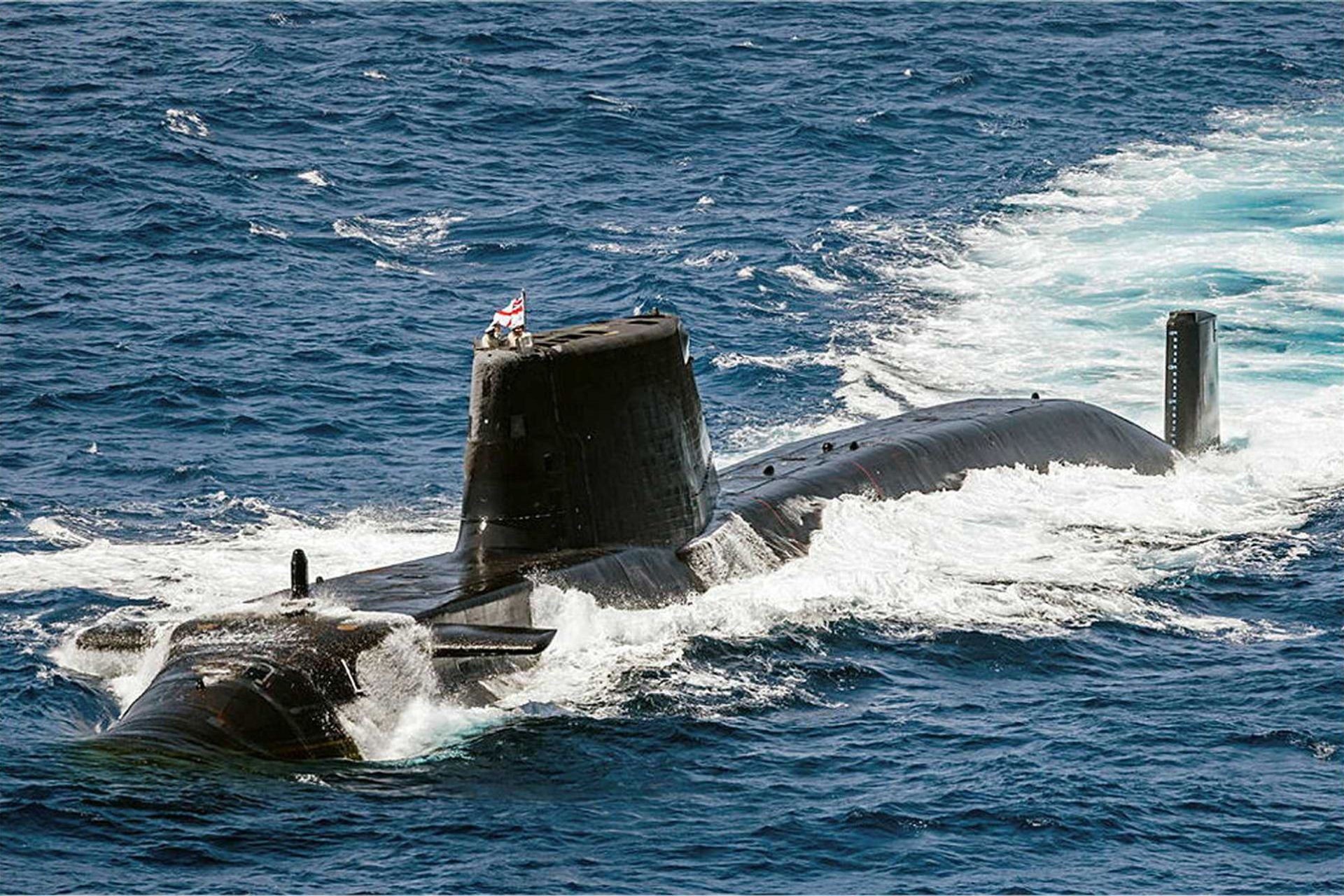
Submarine warfare remains one of the most important developments in modern naval history, influencing both strategy and technology in the Royal Navy and beyond.