Technology
The history of the Royal Navy is closely linked to the development of naval technology. From the construction of wooden sailing ships to the introduction of steam power, ironclads, and modern naval systems, technological innovation has played a central role in shaping naval warfare and maritime power.
This section explores the evolution of ship design, weaponry, navigation, and engineering within the Royal Navy, highlighting the developments that enabled it to operate effectively across the world’s oceans.
The Role of Technology in Naval Power
Technological advancement has long determined the effectiveness of naval forces. Improvements in ship construction, propulsion, armament, and communication allowed the Royal Navy to maintain operational superiority and adapt to changing conditions at sea.
From the Age of Sail to the modern era, innovation enabled longer voyages, greater firepower, improved safety, and more efficient coordination in both peace and war.
Key Areas of Development
This section includes articles covering major areas of naval technology and innovation:
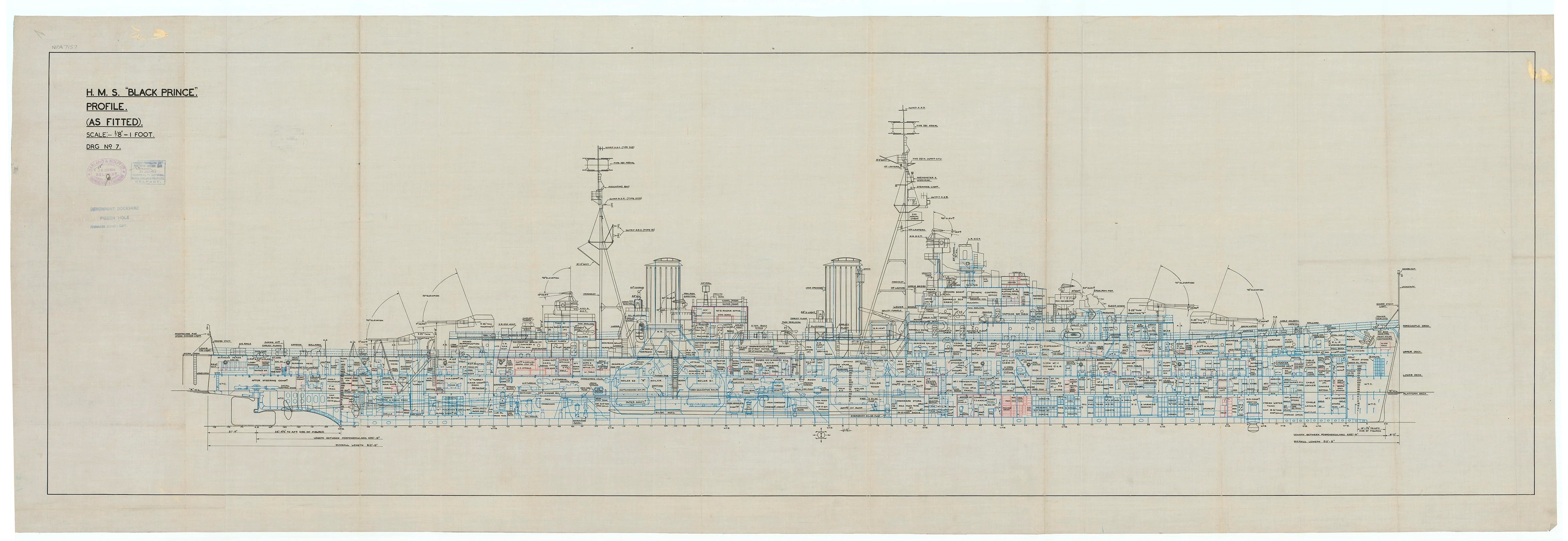
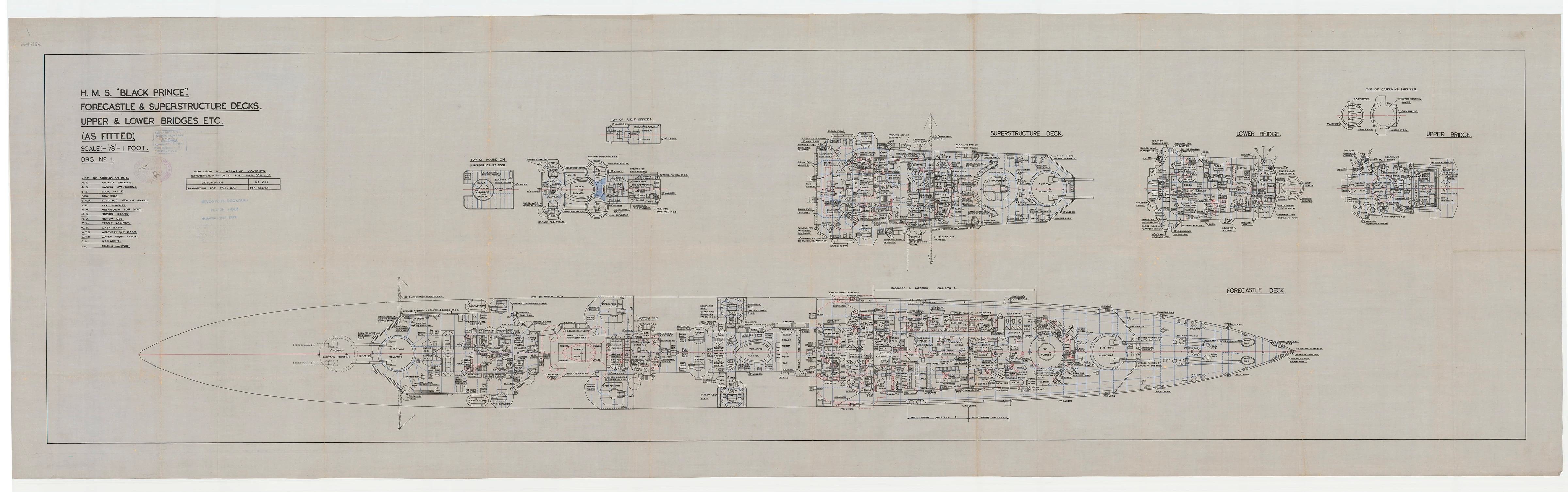
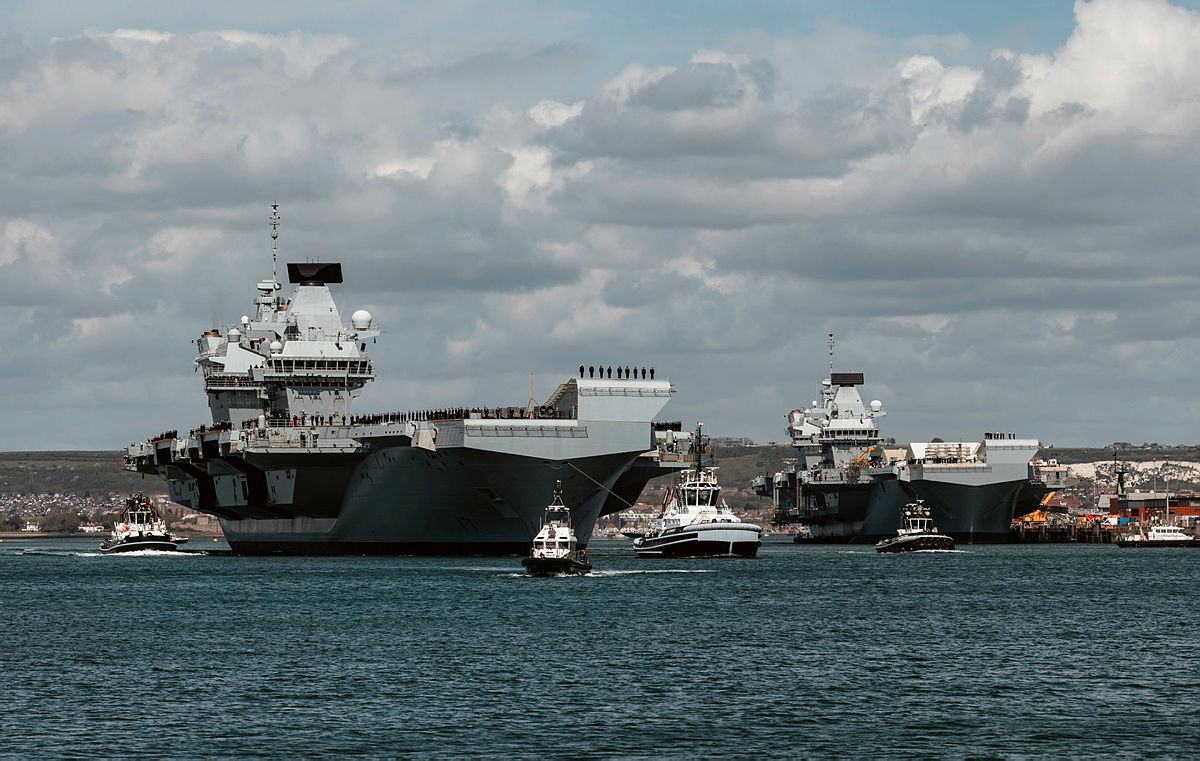
- Ship Design and Construction
The evolution of hull design, materials, and shipbuilding techniques, from wooden sailing ships to steel warships and modern vessels. - Weapons and Armament
Naval guns, carronades, torpedoes, missiles, and other weapon systems used in naval warfare. - Navigation and Exploration
Tools and methods such as the compass, sextant, chronometer, and modern navigation systems that enabled accurate positioning at sea. - Propulsion and Engineering
The transition from sail to steam, the development of engines, turbines, and modern propulsion systems. - Communication Systems
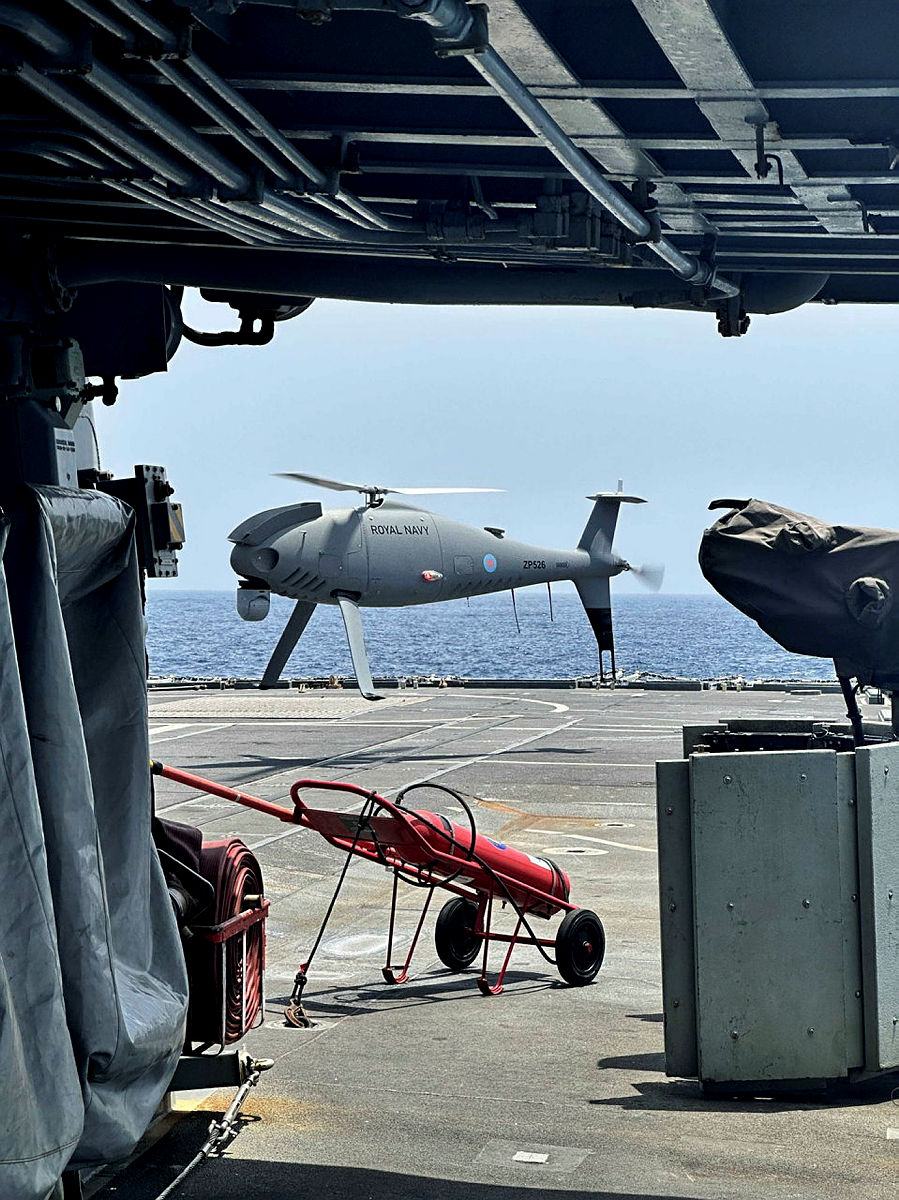
From signal flags and semaphore to wireless radio and modern digital communication. - Defensive Technologies
Armour, damage control, and systems designed to protect ships and crews in combat.
Technological Change and Naval History
Advances in technology often marked turning points in naval history. The introduction of steam power reduced reliance on wind, while iron and steel construction improved durability and survivability. Innovations in weaponry increased the range and effectiveness of naval combat, changing the nature of engagements at sea.
These developments influenced not only individual ships, but also naval strategy, tactics, and the global reach of the Royal Navy.
Explore Further
To explore related Royal Navy topics:
- Royal Navy ships and classes
- Naval battles and campaigns
- Royal Navy timeline
- Naval technology and innovation
- Personnel
- Naval Life & Traditions
For further research, see our Naval Research Guide.
Featured Topics
This section will include detailed articles on key developments such as:
- Steam Power in the Royal Navy
- Ironclads and the Transition to Steel Warships
- Naval Gunnery and Firepower
- The Development of Navigation Instruments
- Communications at Sea